
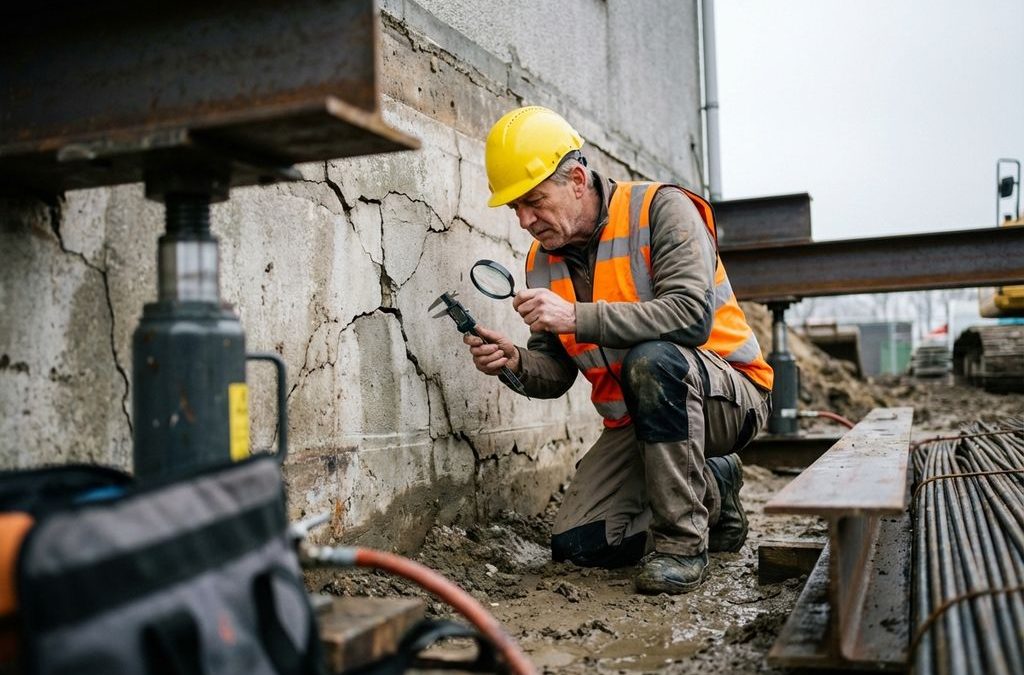
Repairing damaged foundations requires a thorough analysis of the cause and an appropriate technical approach. Modern repair techniques range from underpinning with micropiles to vibration-free injection techniques. The choice depends on the extent of the damage, soil conditions, and environmental factors. Timely recognition of warning signs and professional intervention prevent costly structural problems.
What are the most common causes of foundation damage?
Foundation damage is usually caused by soil subsidence, flooding, vibrations from construction work, aging materials, and improper installation. Soil subsidence due to drought or groundwater extraction is the main cause of foundation problems in the Netherlands.
Different soil types react differently to environmental factors. Clay soils shrink during droughts and swell when wet, leading to uneven settlement. Peat soils oxidize due to falling groundwater levels, causing piles to lose piles load-bearing capacity. Sandy soils can be washed away by water flow or vibrations.
Flooding disrupts the groundwater balance and can lead to undermining. Leaking sewers, defective drainage, or altered drainage patterns cause local soil subsidence. Vibrations from heavy construction work, pile driving, or traffic can damage older foundations in particular by compacting loose soil layers.
Material degradation plays a significant role in wooden piles the water table. Fluctuating moisture levels cause rot and fungal decay. Concrete foundations can suffer from carbonation, chloride attack, or alkali-silicate reaction, especially in aggressive soil conditions.
How can you recognize the first signs of foundation problems?
Early warning signs include cracks in walls, sagging floors, sticking doors and windows, and visible damage to the foundation. Crooked or hanging doors indicate uneven settlement. Cracks above window and door openings indicate structural movement.
Hairline cracks in interior walls are often harmless, but stepped cracks in masonry or wide cracks (more than 5 millimeters) require immediate attention. Cracks that expand or reopen after repair indicate ongoing movement.
You can recognize sagging floors by marbles rolling to certain corners or visible angles of inclination. Sticking doors and windows are caused by warped frames as a result of uneven settling. Peeling wallpaper or tiles can also indicate moisture problems due to foundation damage.
Professional investigation is necessary in the event of multiple simultaneous signs, rapidly expanding cracks, or when neighbors are experiencing similar problems. The urgency depends on the speed at which problems develop and the degree of structural threat.
What modern techniques are available for foundation repair?
Contemporary remediation methods include underpinning with micropiles, grouting techniques, soil improvement, and vibration-free foundation solutions. Micropiles reach stable soil layers without extensive excavation. Modern systems such aspiles vibration-free installation in confined spaces.
Underpinning with micropiles is the most commonly used repair method. Steel pipes are drilled into load-bearing layers and connected to the existing structure. This technique works in soil layers from 1 to 80 MPa, depending on the chosen system.
Injection techniques stabilize the soil around existing foundations. Cement grout, polyurethane foam, or chemical resins are injected under pressure to fill cavities and restore bearing capacity. These methods require minimal excavation.
Soil improvement through compaction, drainage optimization, or soil replacement addresses the root cause. Vibration-free techniques such as screw piles or driven piles further damage to surrounding structures. Electric-powered machines significantly reduce noise and vibration.
Traditional pile-driving methods are being replaced by vibration-free alternatives that, piles effect, screw piles into the ground. These innovative techniques work effectively on small areas without causing disruption to the surrounding area.
How can you effectively prevent future foundation damage?
Effective prevention consists of regular inspection, optimization of drainage, vibration protection, and high-quality construction in new buildings. Annual checks for warning signs and maintenance of drainage prevent most foundation problems.
Regular inspection includes checking for cracks, moisture stains, sticking doors, and other warning signs. Photographic documentation helps to monitor changes. Professional inspection every five years provides certainty about the condition of the foundation.
Optimizing drainage keeps the groundwater balance stable. Clogged gutters, defective downspouts, or poor drainage around the building cause flooding. Check the drainage during extreme weather conditions and repair any defects immediately.
Vibration protection is important during construction work in the surrounding area. Modern vibration-free foundation techniques limit damage to existing structures. Vibration standards and monitoring protect vulnerable foundations during construction projects.
High-quality construction in new buildings prevents future problems. Thorough soil investigations, appropriate foundation types, and correct execution lay a solid foundation. Maintenance programs with early detection systems provide timely warnings of emerging problems.
Foundation repair requires specialist knowledge and modern techniques to effectively solve structural problems. Early recognition of warning signs and preventive measures can prevent costly repair work. For advice on your specific foundation situation, please contact us for a professional assessment.
Frequently Asked Questions
How long does a typical foundation repair project take, and what are the steps involved?
A foundation repair project takes an average of 2-6 weeks, depending on the extent of the damage. The process begins with a thorough inspection and soil investigation (1-2 weeks), followed by the actual repair work (1-3 weeks) and a finishing period. In complex cases, the project may take longer.
What are the costs of foundation repair and how can I finance it?
Foundation repair costs vary from €15,000 to €50,000 per home, depending on the extent of the damage and the technique chosen. Many municipalities offer subsidies or loans on favorable terms. There are also special types of mortgages for foundation repairs, and insurance may provide coverage in some cases.
Can I continue to live in my house during foundation repair?
In most cases, you can remain in your home during the repairs. Modern vibration-free techniques cause minimal disruption. However, you should take into account limited access to certain areas, dust, and noise during working hours. Extensive repairs may require temporary relocation.
What guarantees do I get on foundation repairs and what happens if new problems arise?
Professional foundation repairers usually offer a 10-20 year warranty on their work. The warranty covers material and workmanship defects, but not damage caused by external factors such as new construction work. Read the warranty terms and conditions carefully and choose certified companies with proven experience.
How do I choose the right contractor for foundation repair?
Always select a certified company with proven expertise in foundation repair. Ask for references, check certifications, and compare multiple quotes. Important factors include: experience with your type of foundation, use of modern techniques, transparent pricing, and good warranty conditions. Avoid companies that come to your door or offer unrealistically low prices.
What should I do if my neighbors also have foundation problems?
In the case of widespread foundation problems, cooperation is beneficial in terms of cost savings and efficient implementation. Contact your municipality about possible subsidies for an area-specific approach. Organize a residents' meeting to jointly request quotes and negotiate group discounts with contractors.
How can I prevent foundation repairs from negatively affecting the value of my home?
Professionally executed foundation repair actually increases the value of your home by solving structural problems. Ensure you have complete documentation of the repair process, warranty certificates, and quality certificates. A structural report after completion confirms the quality of the work and gives future buyers confidence.