
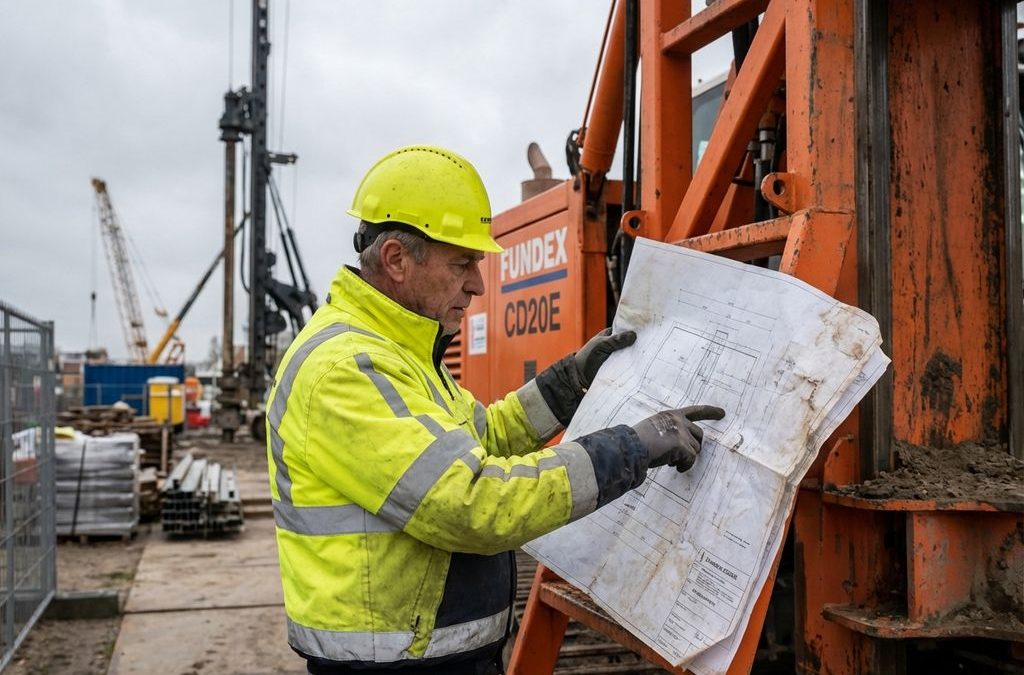
When selecting a foundation contractor, experience, technical expertise, and proven quality are the most important criteria. A reliable partner utilizes modern techniques, such as vibration-free foundation installation, conducts quality checks, and offers transparent cost structures. Making the right choice prevents costly problems and ensures a solid foundation for your construction project.
What makes a foundation contractor reliable and suitable for your project?
A reliable foundation contractor stands out thanks to years of experience, relevant certifications, and a wide range of proven foundation techniques. Look for companies with at least ten years of experience that have completed various types of projects, from residential construction to complex infrastructure projects.
Certifications such as ISO quality standards and VCA safety certificates demonstrate that the company operates according to professional standards. Ask for recent reference projects that are similar to your situation. For example, a specialist in high-rise construction requires different expertise than an expert in hydraulic engineering projects.
Check whether the company has modern equipment and a range of foundation techniques. Companies that invest in innovative equipment, such as electric foundation machines, demonstrate their commitment to quality and sustainability. Also consider their ability to provide customized solutions for projects with special requirements, such as limited space or specific soil conditions.
What foundation techniques are available, and how do you choose the right one?
Modern foundation techniques range from traditional pile driving to vibration-free methods suitable for various soil conditions and project requirements. The choice depends on factors such as soil conditions, environmental requirements, and the structural load.
Traditional pile driving works well in firm soil, but causes vibrations and noise. For urban areas, vibration-free techniques, such as screw piles or bored piles, are often a better option. These methods, such aspiles, can be used in soil conditions ranging from 1 to 20 MPa without causing disruption to the surrounding area.
For very soft soil layers, systems using permanent steel pipes, such aspiles, are suitable because they prevent deformation of the pile shaft. In heavy soil layers, grout injection may be necessary to provide additional strength. Modern techniques also allow for inclined piles with an inclination of piles 4:1, enabling work in confined spaces with minimum distances to adjacent structures of approximately 0.9 meters.
How can you tell if foundation work is high-quality, and what guarantees are there?
You can recognize quality in foundation work by the systematic quality checks conducted during and after construction. Professional companies routinely perform static, dynamic, and ultrasonic tests to piles the integrity and load-bearing capacity of piles .
Static tests measure both the compressive and tensile strength of piles actual loads. Dynamic tests verify pile integrity during installation, while ultrasonic tests detect any cracks or weak spots in the concrete. This combination of testing methods provides a comprehensive picture of foundation quality.
Ask for written warranties and quality certificates for the work performed. Reputable companies document all work in detail and offer warranties ranging from 5 to 20 years, depending on the type of foundation and the scope of the project. Also, make sure the company has liability insurance to cover any potential damage.
What are the costs of foundation work, and how do you compare quotes?
Foundation costs vary significantly depending on the technique used, soil conditions, and project scope. When comparing quotes, consider not only the total price but also the specifications, warranties, and scope of work included. Pay attention to differences in pile diameters, load-bearing capacity, and construction methods.
Key cost factors include soil investigation, foundation type, site accessibility, and the necessary tests. Vibration-free techniques often cost 10–20% more than traditional pile driving, but they reduce disruption costs and enable work in sensitive environments. Electric machines may have higher daily costs, but they eliminate emissions costs and noise pollution.
Request detailed specifications with each quote: pile type, diameter, depth, load-bearing capacity, and tests performed. Check what happens in the event of unforeseen soil conditions and whether additional work may be required. Reliable companies provide realistic estimates and transparent rates for additional work. Don’t forget to factor in the total project duration, as faster completion leads to indirect cost savings.
Choosing the right foundation contractor is key to the success of your construction project. By focusing on experience, modern techniques, and proven quality, you’ll find a partner who can lay a solid foundation for your project. Take the time to compare different contractors and choose based not only on price, but on overall value and reliability.
For a free quote or more information about our foundation solutions, please contact us for personalized advice regarding your specific project.
Frequently Asked Questions
How long does an average foundation project take, and what factors influence the schedule?
The duration of foundation work depends on the scope of the project, soil conditions, and the chosen method. An average home can have its foundation laid within 1–2 days, while larger projects may take several weeks. Factors such as weather conditions, site accessibility, and any necessary permitting procedures can affect the schedule.
What happens if unexpected soil conditions are encountered during foundation work?
If unexpected soil conditions are encountered, a professional company will halt work and assess the situation. An alternative foundation solution will then be proposed, possibly involving different techniques or depths. Reputable companies communicate transparently about additional costs and alternatives, and document all changes in writing.
Is a soil survey always necessary before foundation work can begin?
Ja, een grondig grondonderzoek is essentieel voor elke fundering. Het bepaalt de grondopbouw, draagkracht en mogelijke risico’s zoals grondwater. Zonder dit onderzoek kan geen betrouwbare funderingsadvies gegeven worden en riskeert u verkeerde technieken, hogere kosten of structurele problemen.
How can I minimize disruption to my neighbors during foundation work?
Opt for vibration-free foundation techniques, such as screw piles or bored piles of traditional pile driving. Inform your neighbors in advance about the schedule and expected work. Modern electric machinery significantly reduces noise and vibration. A professional company takes working hours and local regulations into account.
What warranties can I expect for foundation work, and what do they cover?
Professional foundation contractors typically offer warranties ranging from 5 to 20 years, depending on the type of foundation. The warranty covers structural defects, settlement due to foundation failure, and material defects. Be sure to check what is and isn’t covered, such as damage caused by external factors or maintenance issues. Always ask for the warranty terms in writing.
Can I have foundation work done in the winter or in bad weather?
Yes, most modern foundation techniques can be carried out year-round. However, concrete work does require frost protection when temperatures drop below 0°C. Extreme weather conditions, such as heavy rain or storms, may temporarily halt work for safety reasons. Therefore, be sure to allow for extra time during the winter months.
How can I check whether my existing foundation still meets current standards?
Have a foundation specialist conduct an inspection using modern detection methods such as ultrasonic testing or borehole testing. Signs of problems include cracks in walls, doors that no longer close properly, or visible settlement. If there is any doubt about the load-bearing capacity, a structural analysis based on current standards can provide a definitive answer.