
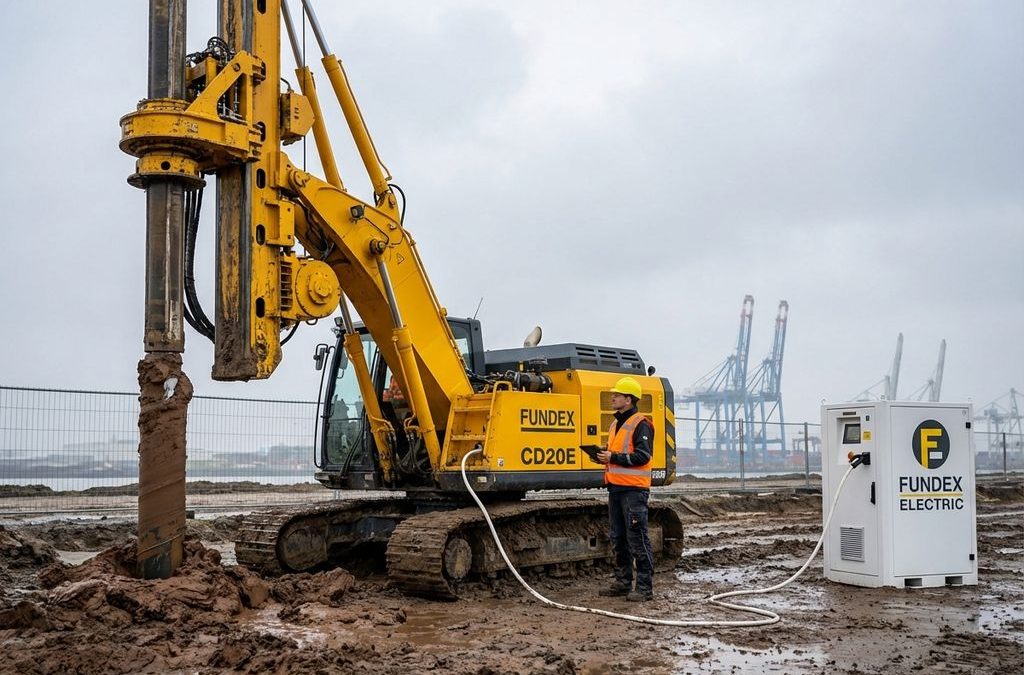
Electric foundation work offers significant advantages over traditional diesel-powered methods. This modern foundation technique eliminates direct emissions, reduces noise pollution, and improves working conditions on the construction site. Electric foundation machines enable emission-free foundation work while offering more precise control over the foundation process. This technology is becoming increasingly important for projects with strict environmental requirements and in noise-sensitive environments.
What is electrical grounding and how does it work?
Electric foundation work uses fully electric foundation machines powered by batteries or an external power supply. These machines replace the traditional diesel engine with electric motors that control all movements and functions of the foundation equipment. The main difference lies in the energy source and the way in which power is transferred to the various parts of the machine.
The electric drive offers better control over speed and torque, enabling more precise and flexible operations. The variable speed control is particularly useful in applications where different drilling speeds are required. This gives operators greater precision when performing foundation work, regardless of the type pile installed.
Modern electric foundation machines can be used for a variety of foundation techniques, ranging from vibration-free pile systems to bored piles. The technology is suitable for both light and heavy foundation work and can be applied in a wide range of soil and project conditions.
Why is electric foundation better for the environment?
Electric foundation machines produce no direct emissions on site, resulting in a significantly lower environmental impact compared to diesel-powered alternatives. This advantage is particularly important in areas with strict emissions regulations or in projects where environmental friendliness is a priority. The absence of local emissions directly contributes to a cleaner working environment.
The CO2 reduction is substantial when electric machines are powered by renewable energy. Even when using regular mains power, total emissions remain lower than with diesel-powered machines, due to the higher efficiency of electric motors. This makes electric foundation work an effective measure for companies that want to reduce their ecological footprint.
In addition to reducing emissions, electric foundation work helps to reduce air pollution in urban areas. The absence of diesel fumes and soot particles creates a healthier working environment for operators and local residents. These benefits are becoming increasingly important as ESG (Environmental, Social, Governance) guidelines become stricter and companies prepare for future environmental standards.
What practical advantages does electric foundation work offer on the construction site?
The most notable practical advantage is the significantly quieter operation of electric foundation machines. These machines produce much less noise than diesel-powered counterparts, making them ideal for projects in densely populated urban areas or nature-sensitive environments. The reduced noise level contributes to a better living environment around construction projects.
The reduced noise pollution opens up opportunities for foundation work at times and locations where traditional machines are not welcome. This means greater flexibility in planning and execution, which can lead to shorter project lead times. In addition, operators experience a more comfortable working environment without constant exposure to engine noise and diesel fumes.
Electric machines also have lower vibration levels, which is beneficial for protecting nearby buildings and infrastructure. Improved control over speed and torque ensures more accurate operations, which benefits the quality of the foundation work. In addition, maintenance costs are often lower due to the simpler design of electric motors compared to complex diesel engines.
For which projects is electric foundation most suitable?
Electric foundation work is ideal for projects in densely built-up urban areas where noise restrictions apply. Examples include housing projects in residential areas, renovations of historic buildings, or new construction near schools and hospitals. The quiet operation makes it possible to work without significant nuisance to local residents.
Projects near sensitive buildings, such as monuments or buildings with vibration-sensitive equipment, benefit from the lower vibration levels of electric machines. Electric foundations also offer a suitable solution in nature reserves where minimal disruption to the environment is required, due to the absence of emissions and noise pollution.
International projects in countries with strict emissions regulations represent a growing market for electric foundation technology. In addition, projects that seek sustainability certification, such as BREEAM or LEED, are ideal candidates for electric foundations. The technology also meets the growing demand for emission-free construction sites and helps clients achieve their environmental goals.
The advantages of electric foundations make this technology a valuable choice for modern construction projects. Whether it concerns environmental friendliness, noise reduction, or improved working conditions, electric foundation machines offer concrete solutions to contemporary challenges in the construction sector. Would you like to know more about the possibilities of electric foundation work for your project? Contact us for a no-obligation consultation about the most suitable foundation solution.
Frequently Asked Questions
What are the costs of electric foundation work compared to traditional diesel-powered methods?
Although the initial investment in electric foundation machines is often higher, operating costs are usually lower due to lower energy costs and less maintenance. Electricity is cheaper than diesel, and electric motors have fewer moving parts that are subject to wear and tear. Over the entire lifetime of the project, the total costs can be comparable or even lower.
How long can electric foundation machines operate on a single battery charge?
Battery operating time varies depending on the type of machine, the intensity of the work, and ground conditions, but modern electric foundation machines can typically operate continuously for 6-8 hours. For longer projects, machines can be connected to an external power supply or additional battery packs can be used to extend the working day without interruption.
Are electric foundation machines as powerful as diesel-powered machines?
Yes, modern electric foundation machines deliver comparable or even better performance than diesel-powered alternatives. Electric motors offer maximum torque immediately from a standstill and can be controlled more precisely. This often results in more efficient and precise foundation work, especially with variable loads and different drilling speeds.
What happens if the power supply fails during foundation work?
Professional electric foundation machines are equipped with emergency power systems or backup batteries that provide sufficient energy to safely complete the work in progress. In addition, portable generators or mobile battery packs can serve as backup. Good project planning always takes into account alternative power supplies for critical work.
Can electric foundation machines be used in all weather conditions?
Electric foundation machines are designed for use in various weather conditions and usually have a high IP rating for water and dust resistance. They can be used safely in rain and dusty environments. Extreme weather conditions such as lightning do require extra precautions, but this also applies to conventional machines.
How complex is the transition from diesel to electric piling for my company?
The transition requires training for operators and adjustments to logistics, but most companies can be up and running within a few weeks. Operators who are experienced with conventional foundation machines can switch over relatively quickly, as the basic controls are similar. However, it is important to invest in the right charging infrastructure and maintenance knowledge for electrical systems.