
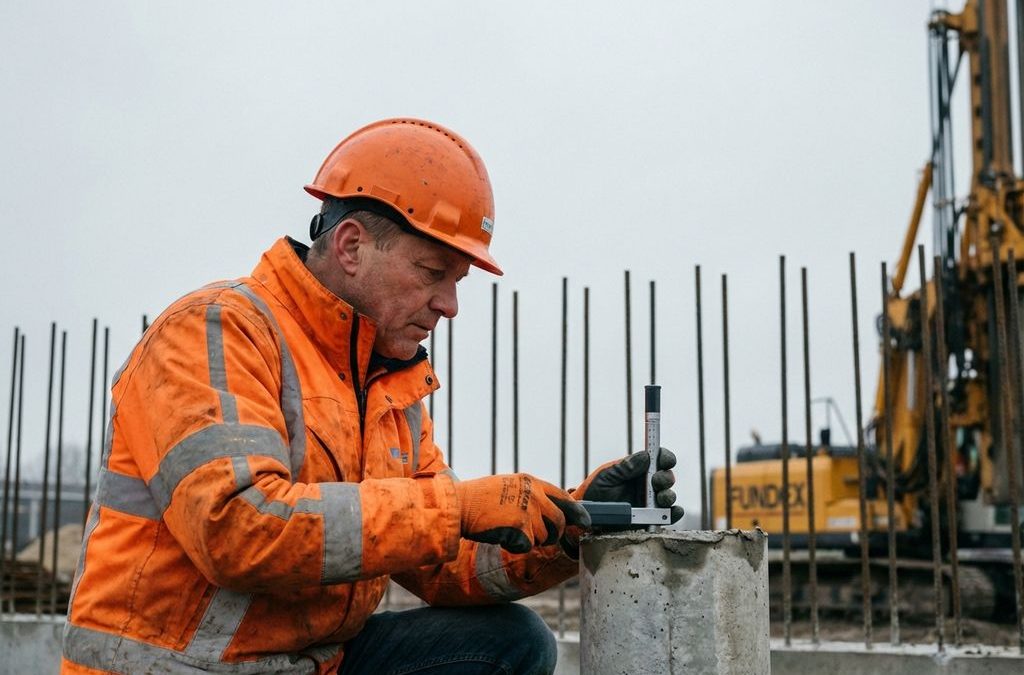
You can assess the quality of foundation work by examining various technical aspects, ranging from visual inspections to professional testing methods. Good foundations are characterized by a stable structure, proper construction, and durable materials. A thorough assessment involves both direct observation and specialized tests to determine the actual bearing capacity and structural integrity.
What are the key quality indicators of good foundation work?
High-quality foundations can be identified by straight, vertical piles visible cracks, dimensions that conform to specifications, and stable connections to the superstructure. The concrete must be of uniform quality, free of air pockets or weak spots, while the reinforcement must be properly placed and protected against corrosion.
The technical specifications form the basis for quality assessment. Pile diameters must comply with design requirements, typically ranging from 300 to 1,200 millimeters, depending on the load. The depth must extend to the load-bearing soil layer, which, with modern foundation techniques, can be up to 40 meters deep.
Visual aspects provide important clues about the quality of the work. Proper foundation work results in a uniform concrete surface without cracks or discoloration. The joints between different piles be seamless, with no visible seams or irregularities. With vibration-free foundation techniques, the finish is often neater because the soil is disturbed less during installation.
Sustainability factors are becoming increasingly important in the assessment. Modern foundations use materials that are resistant to groundwater and chemical corrosion. The service life must be at least 50 years for standard applications, with special protective measures applied in aggressive soil conditions.
What inspection methods do you use to test foundation quality?
Static tests measure the actual bearing capacity by applying a gradually increasing load up to a maximum of 150% of the design load. Dynamic load tests assess the behavior under sudden forces, while ultrasonic integrity tests evaluate the internal structure without damaging the pile.
Static load tests are the gold standard for quality control. In this process, a hydraulic jack is used to apply load to the pile . Settlement is accurately measured at each load stage. A good pile not settle more than 10 millimeters under the design load and must remain stable throughout the entire testing process.
Ultrasonic integrity testing detects hidden defects, such as cracks, voids, or variations in concrete quality. This method sends sound waves through the pile analyzes the returning signals. Anomalies in the wave patterns indicate potential problems in the pile structure.
Dynamic tests use a heavy hammer to pile the pile and measure the response using sensors. This method provides a quick assessment of bearing capacity and integrity, although the results are less accurate than those from static tests. For projects involving a large number of piles , this piles a cost-effective screening method.
How can you identify common problems in foundation work?
Visible cracks in the pile caps, uneven settlement of individual piles water infiltration around foundation elements are clear signs of quality issues. Hidden defects often manifest as unexpected vibrations in the building, doors that no longer close properly, or small cracks in walls above the foundation.
Cracks in concrete can occur for various reasons. Vertical cracks usually indicate that the concrete has dried too quickly or that there is insufficient reinforcement. Horizontal cracks can indicate overloading or ground movement. Cracks wider than 0.3 millimeters always require further investigation, as they affect the water resistance and durability of the concrete.
You can identify settlement issues by uneven levels between different piles foundation elements. A difference of more than 20 millimeters between adjacent piles potential problems. Gradual settlement over time is normal, but sudden movements require immediate attention.
Corrosion problems in the reinforcement manifest as rust spots that seep through the concrete. This process often begins invisibly inside the pile only becomes noticeable once the damage is already significant. Regular inspection of exposed reinforcement helps with early detection.
Water infiltration around foundations is caused by inadequate waterproofing or cracks in the structure. Water stains, mold growth, or a musty odor in basements are signs of potential leaks. These issues can compromise long-term structural stability and require prompt repair.
When should you have an external quality audit conducted?
A professional inspection is necessary if there are concerns about the quality of the foundation, following extreme weather conditions, prior to planned renovations or expansions, and at least every 10 years for preventive maintenance. An independent inspection provides an objective assessment of the actual condition and remaining service life.
Certain situations always require an external inspection. When purchasing existing buildings, the quality of the foundation must be professionally assessed. Insurers often require a foundation report in the event of damage or when issuing new policies. After floods or prolonged droughts, soil movement can affect the foundations.
Choosing the right specialist is key to the success of the inspection. Look for certified foundation experts with experience in your type of building and soil conditions. Check references from previous projects and ask about the testing methods and reporting standards used.
The timing of inspections affects their effectiveness. Schedule inspections for dry weather, when foundations are most accessible. For new foundation projects, inspections should be conducted at various stages of construction, not just after completion.
A thorough quality assessment of foundation work requires both technical knowledge and practical experience. By systematically checking visual aspects, using professional testing methods, and conducting timely external inspections, you can detect problems early on and prevent costly repairs. Invest in regular inspections to ensure the safety and durability of your foundation.
Frequently Asked Questions
How often should I have the condition of my foundation inspected?
For residential homes, we recommend a professional inspection every 10 to 15 years, or sooner if you notice signs such as cracks in the walls or doors that stick. For commercial buildings, an inspection every 5 to 10 years is standard. An additional inspection is advisable following extreme weather conditions, such as prolonged drought or flooding.
How much do professional foundation inspections cost, and what factors determine the price?
A basic inspection typically costs between €800 and €1,500 for an average-sized home. The price is determined by the size of the building, accessibility of the foundation, the desired testing methods, and the complexity of the soil conditions. Extensive testing, such as static load tests, can increase the cost to €3,000–€5,000.
As the homeowner, can I perform an initial inspection of my foundation myself?
Yes, you can perform basic inspections by checking for cracks in walls, uneven floors, doors that no longer close properly, and water stains in the basement. Also look for new cracks in exterior walls near the foundation. If you have any doubts or notice visible problems, you should always consult a specialist for a professional assessment.
What documents do I need for a foundation inspection?
Gather the original construction plans, foundation drawings, soil investigation reports, and any previous inspection reports. Warranty certificates from the foundation contractor and documentation of repairs performed are also valuable. This information helps the specialist develop a targeted inspection plan and compare the current condition with the original specifications.
What should I do if problems are found during an inspection?
First, request a detailed report prioritizing the problems found. Seek a second opinion in case of serious defects. Schedule immediate repairs for urgent problems, while less urgent issues can wait. Inform your insurer and keep all documentation for possible claims or when selling the property.
Are there seasonal factors that affect the timing of foundation inspections?
The best time for inspection is in the spring or early fall, when groundwater levels are stable and access is optimal. Avoid inspections immediately after periods of rain or during frost, as this can affect the visibility of problems. During dry summers, cracks may temporarily appear wider due to soil shrinkage.
How long are the results of a foundation inspection valid?
An inspection provides a snapshot of the current condition. Its validity depends on the condition found: if the foundation is sound, the results remain relevant for 5–10 years; if problems are identified, a re-inspection may be necessary within 1–2 years. Extreme weather conditions, nearby excavation work, or vibrations may necessitate an earlier re-inspection.